Search
Search wines, events and pages across the site

Georgia: The Cradle of Wine
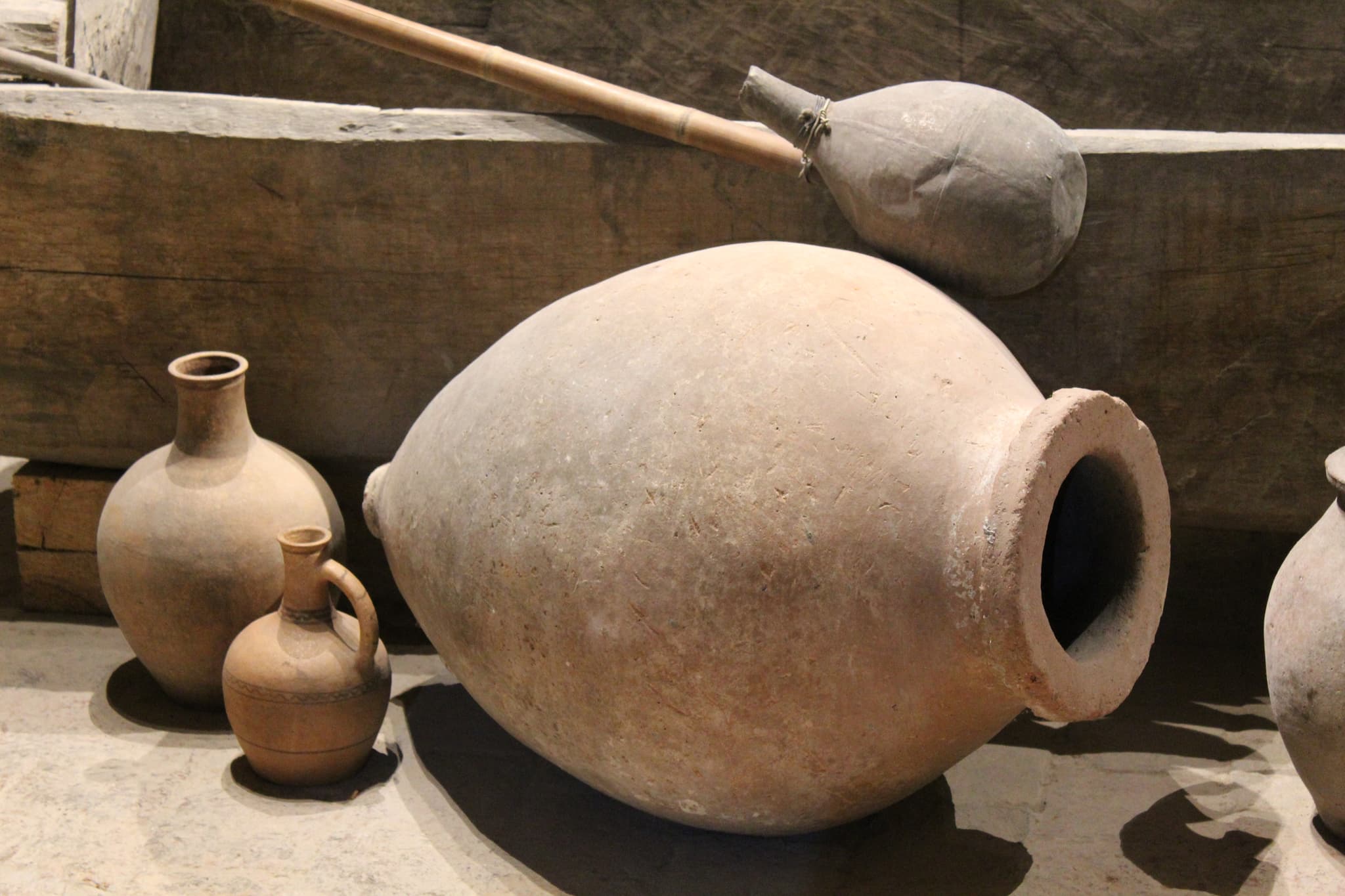
What Is a Qvevri?
A qvevri (Georgian: ქვევრი) is a large, egg-shaped earthenware vessel, handmade from clay and lined inside with natural beeswax, used to ferment, age, and store wine. Far more than a container, it is the beating heart of Georgian winemaking.
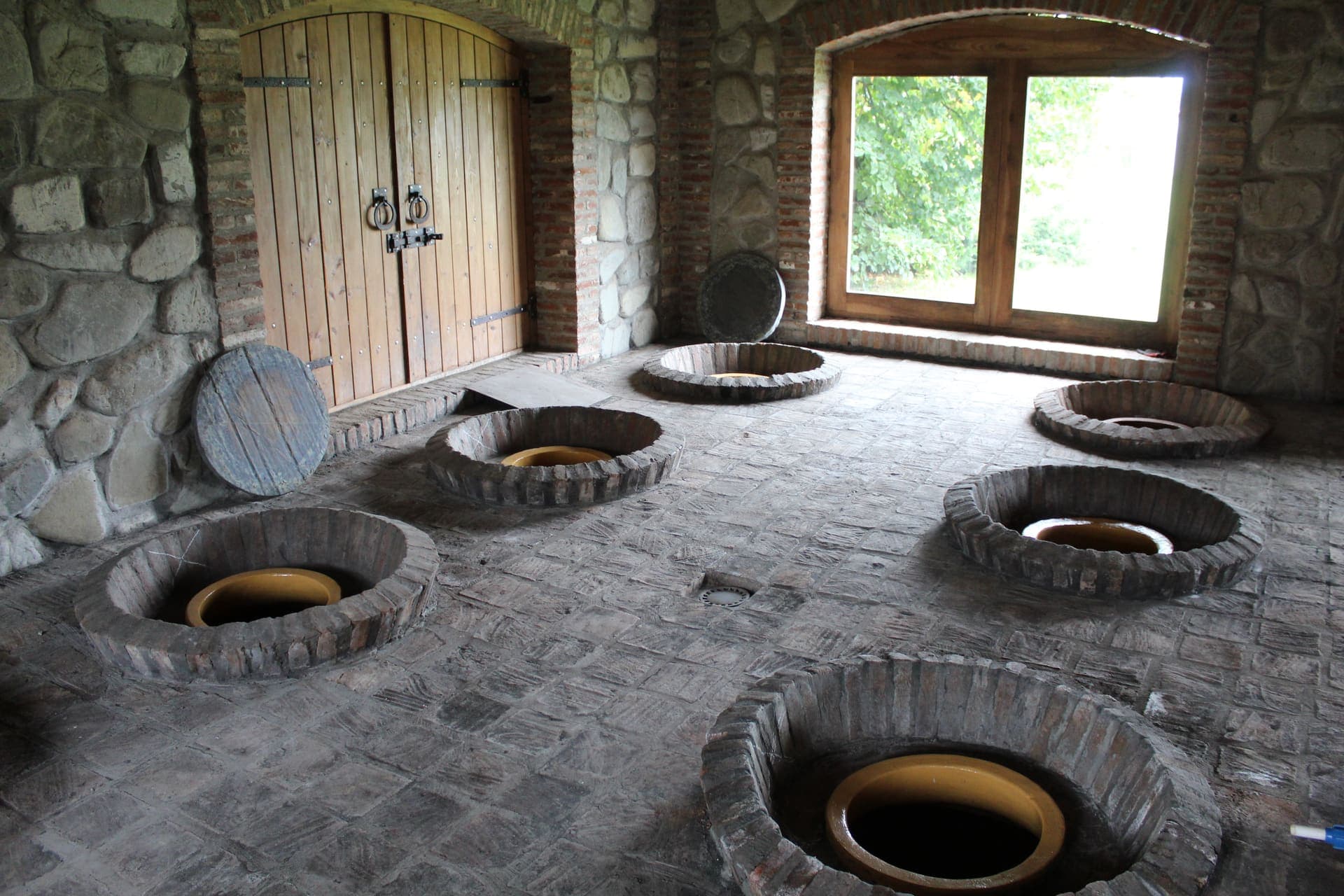
Each qvevri is buried up to its neck in the floor of a cellar called a marani. Cradled by the surrounding earth, the wine ferments and matures at a naturally cool, stable temperature through the seasons. No electricity, no additives, just clay, grapes, and time. This 8,000-year-old tradition was recognized by UNESCO in 2013.
Egg-Shaped Clay
Hand-thrown earthenware, traditionally holding anywhere from 20 to 3,500+ liters.
Beeswax-Lined
The porous interior is sealed with natural beeswax before its first harvest.
Buried in the Marani
Set neck-deep into the cellar floor, cradled and insulated by the cool earth.
Naturally Stable
The surrounding ground regulates temperature, guiding a slow, gentle fermentation.
The Qvevri Winemaking Process
Inside the qvevri, winemaking unfolds much as it did eight thousand years ago: the grapes go in, the buried earth does the work, and months later the finished wine is drawn off. Four simple stages carry it from harvest to bottle.
Harvest & Crush
Indigenous grapes are hand-picked and gently crushed, traditionally in a hollowed-log trough called a satsnakheli.
Fill the Qvevri
Juice flows into the qvevri together with the skins, stems, and seeds (the chacha) that give Georgian wines their color and structure.
Ferment Underground
The qvevri is sealed and left to ferment on its skins, the buried earth holding it cool and steady through the winter.
Age, Rack & Bottle
After months of maceration the clear wine is drawn off the solids, emerging as a distinctive amber white or an intensely flavored red.
Rtvelisi Winery: Quality and Variety
Rtvelisi is dedicated to creating high-quality alcoholic beverages of grape origin, including traditional wine, Qvevri wine, sparkling wine, chacha, and brandy.
Traditional Focus
Dedicated production of traditional Georgian wines, including those made using the Qvevri method.
Appellation Control
Produces high-quality table wines, regional wines, and appellation-controlled wines.
Diverse Portfolio
Production includes wine, Qvevri wine, sparkling wine, chacha, and brandy.
Georgia's Wine Heritage in Numbers
Understanding the scale of the 'Cradle of Wine'
George Grey Winery: Historic Traditions
The George Grey winemaking history began decades ago in the historic village of Tsilkani, where wine production started approximately 1400 years ago.
Ancient Compliance
Upholding the UNESCO-recognized 8,000-year Qvevri winemaking process
Indigenous Grapes
Utilizing native Georgian varieties like Saperavi and Rkatsiteli
Regional Expertise
Sourced from the Kakheti region, the country's primary winemaking area
The Unique Georgian Grape Varieties
Our wines showcase native Georgian grapes like Saperavi (red) and Rkatsiteli (white), which account for the largest portion of the nation’s vineyards.
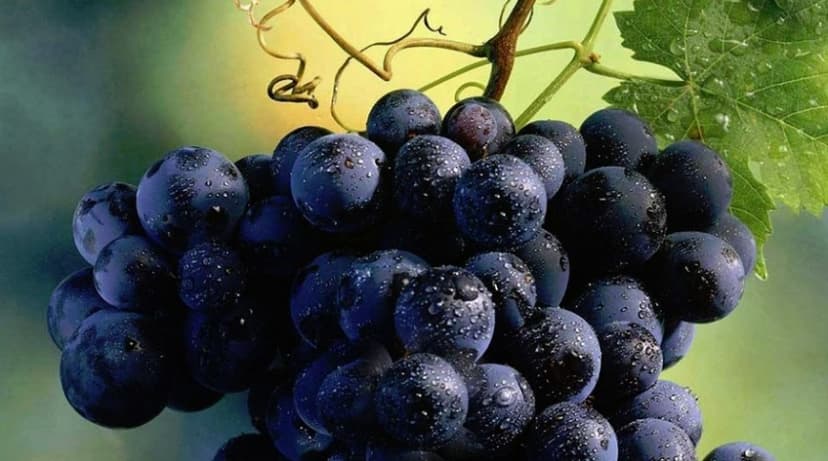 Red
RedSaperavi
Leading Red Variety
Georgia's leading red: a teinturier grape with red flesh that yields deep, inky, full-bodied wines.
Used in Gallant, George, Vesta, Vitality, Vixen, Vakhtang
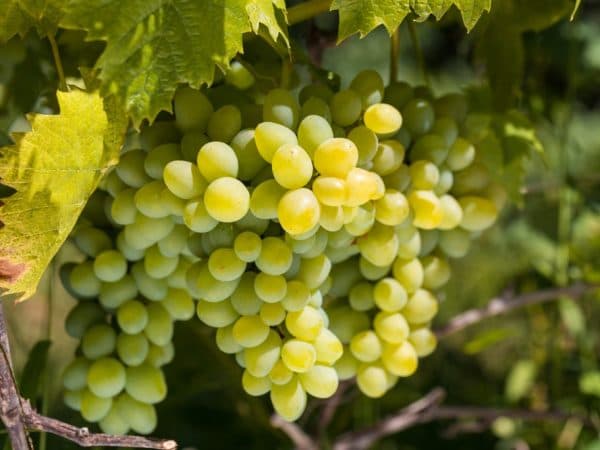 White
WhiteRkatsiteli
Ancient White Variety
An ancient, high-acid white with crisp green-apple and quince character; Georgia's most-planted white grape.
Used in Georgia, Vivid, Venus, Vivian, Vanna, Gorgeous
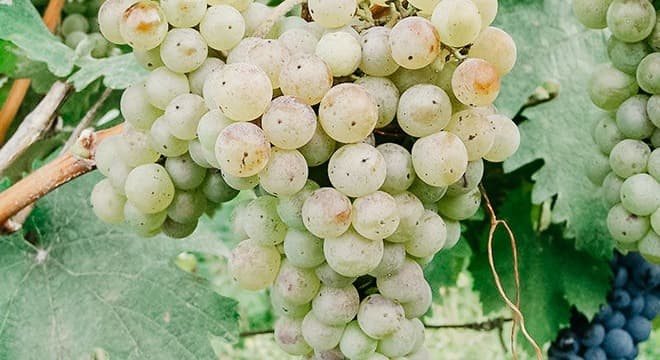 White
WhiteKisi
Rare Amber-Wine White
A rare aromatic white, prized in amber qvevri wines for its ripe pear, walnut, and honeyed notes.
Used in Verde, Gloria
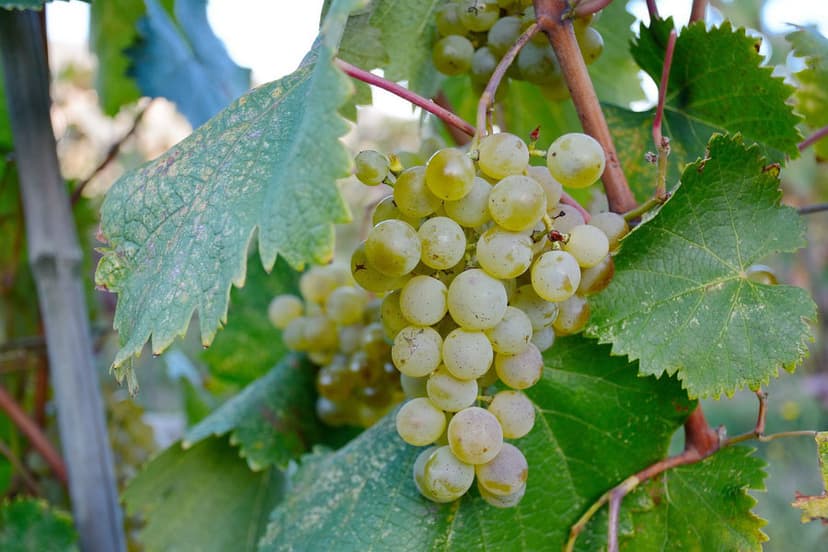 White
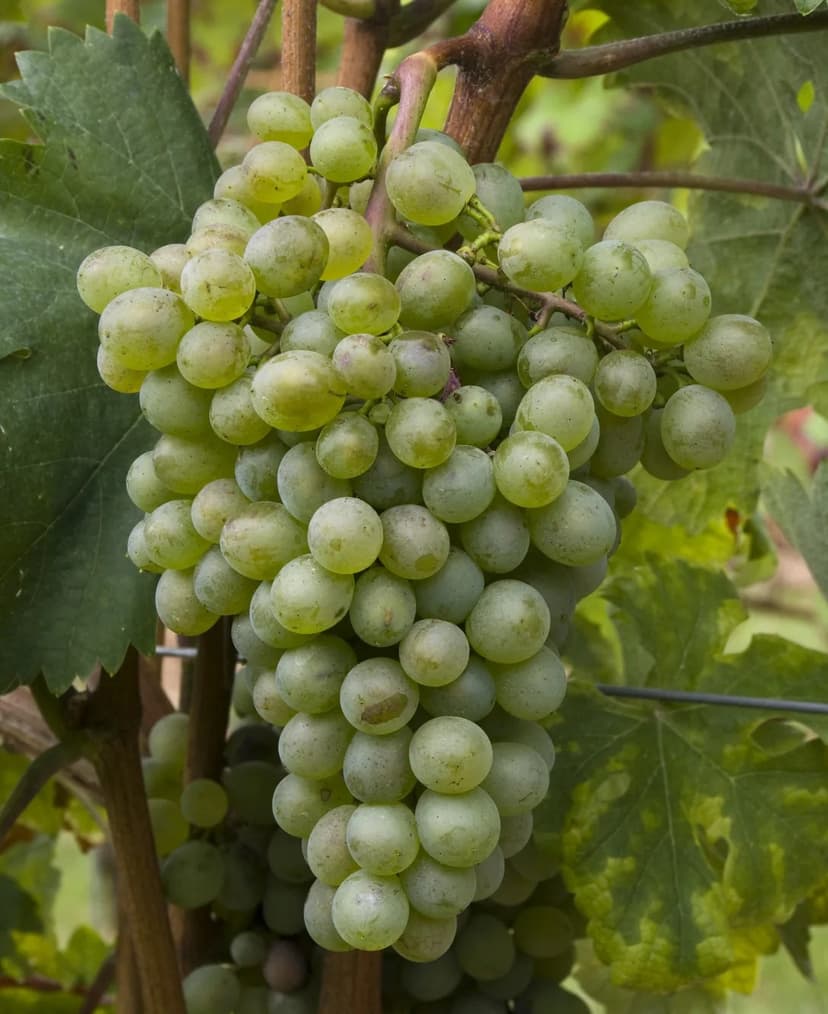
WhiteTsolikouri
Western Georgian White
The leading white of western Georgia, medium-bodied with yellow fruit, melon, and a light mineral lift.
Used in Victorious, Gorgeous
 White
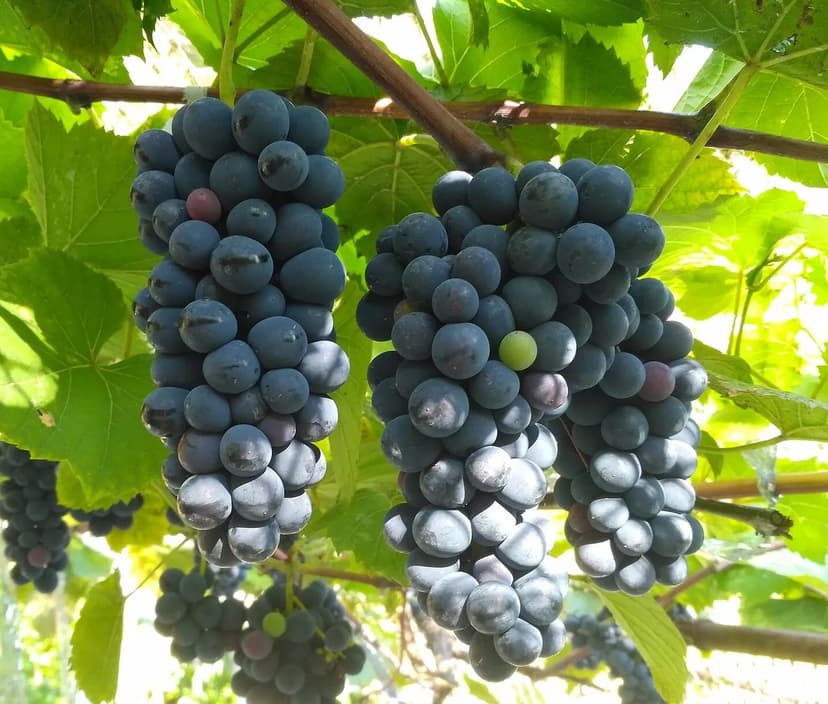
WhiteMtsvane Kakhuri
Aromatic Kakhetian White
“Green of Kakheti,” aromatic and floral with white peach and citrus, turning to apricot when made in qvevri.
Used in Guinevere, Vanna, Gorgeous
 Red
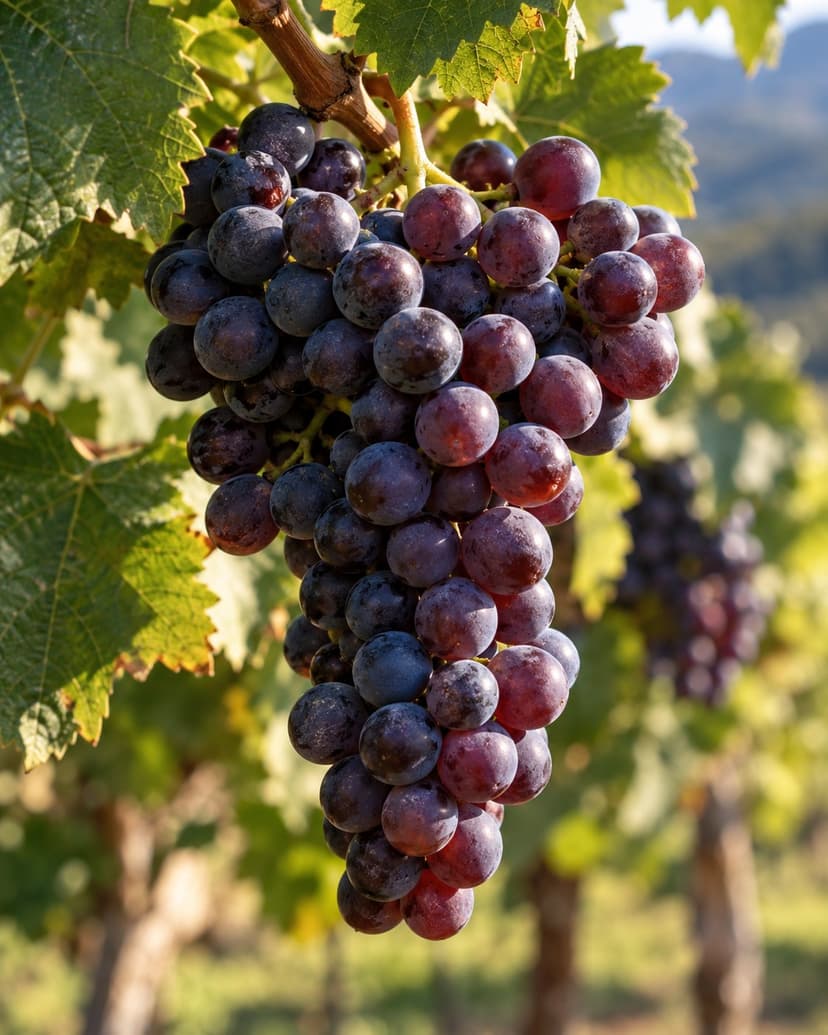
RedOjaleshi
Ancient Semi-Sweet Red
One of Georgia's oldest vines, a ruby, typically semi-sweet red of red fruit lifted by pepper and spice.
Used in Gvantsa
 Red
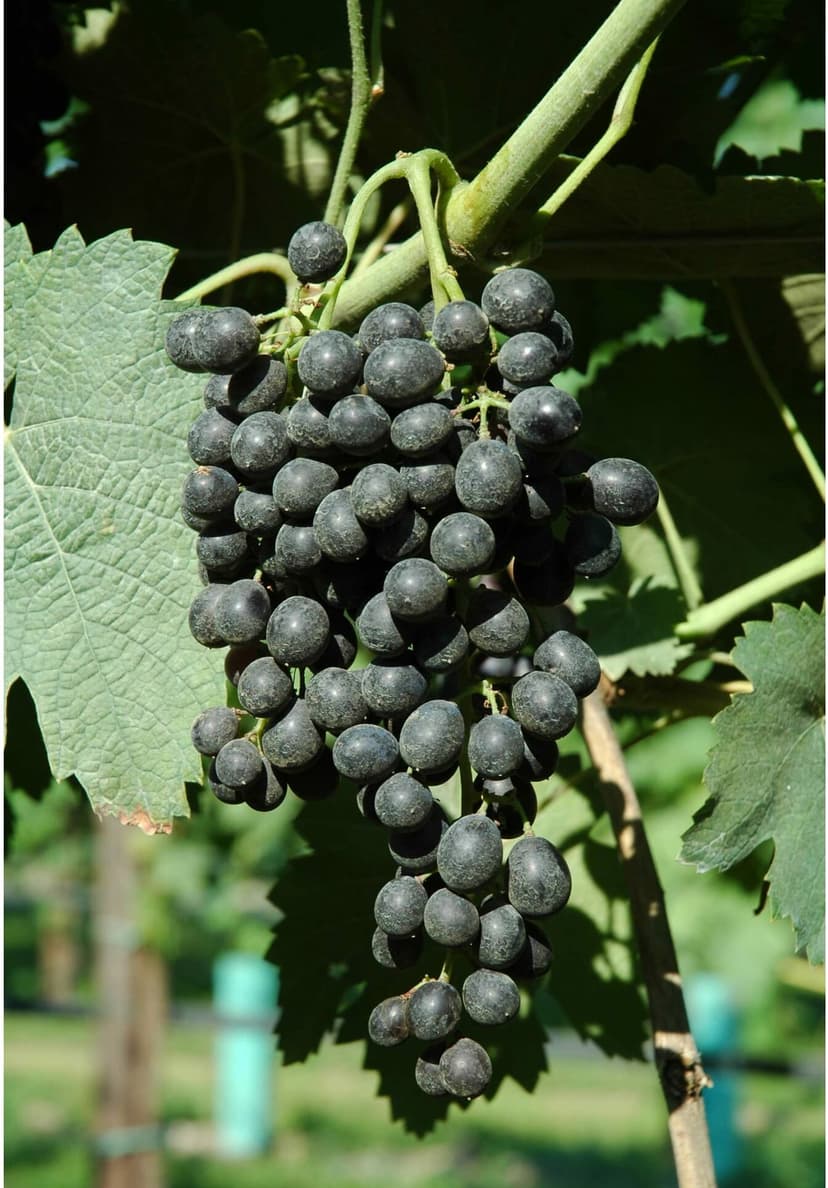
RedAleksandrouli
Racha Red · Khvanchkara
A high-sugar Racha red; partnered with Mujuretuli it makes the legendary semi-sweet Khvanchkara.
Used in Gia
 Red
RedMujuretuli
Racha Red · Khvanchkara
Aleksandrouli's Racha partner in Khvanchkara, adding depth and structure to naturally semi-sweet reds.
Used in Gia
 Red
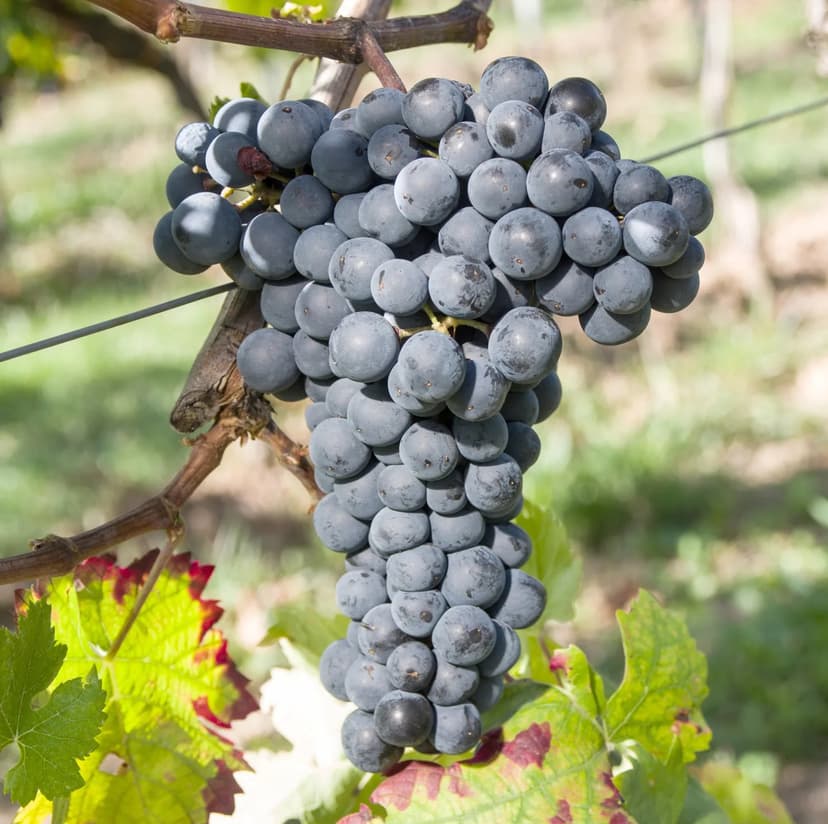
RedTavkveri
Indigenous Kartli Red
An indigenous Kartli red (“hammerhead”) giving bright, medium-weight wines of cherry and herb.
Used in Vakhtang
 Red
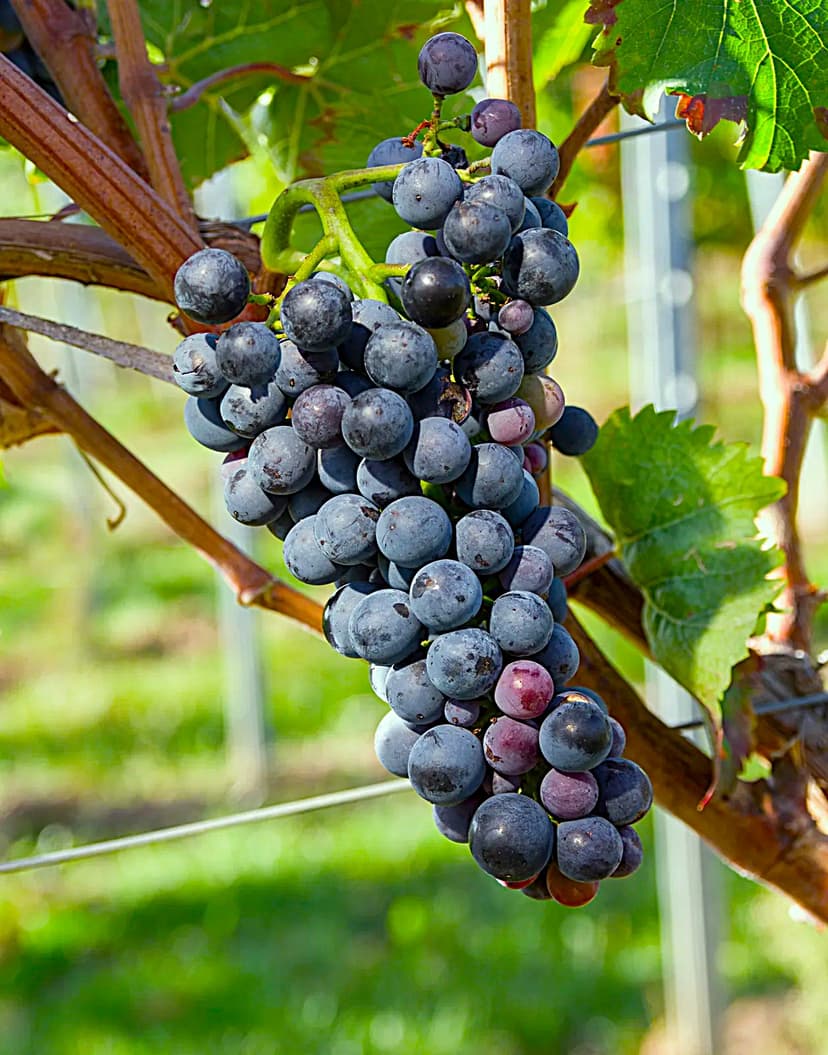
RedShavkapito
Terroir-Driven Kartli Red
“Vine with a black cane” from Kartli, a terroir-driven red of cherry-ruby color with berry and herbal notes.
Used in Vakhtang